
From the History Books
The Murder of Viola Liuzzo, March 25, 1965

As Congress deliberates the Safeguard American Voter Eligibility (SAVE America) Act, The Long View will continue exploring some of the Americans who paid the highest price for fighting for voting rights.
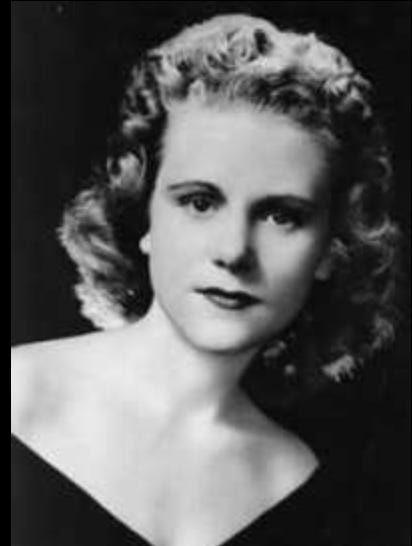
Like many Americans who watched civil rights activists march from Selma to Montgomery, Alabama, on Sunday, March 7, 1965, Viola Liuzzo, a Detroit member of the NAACP, was shocked by what unfolded. State troopers violently attacked peaceful demonstrators who were demanding that the federal government protect the voting rights of Black Americans. The late Congressman John Lewis, who was the chairman of the Student Nonviolent Coordinating Committee (SNCC), suffered a fractured skull after being struck with a baton.
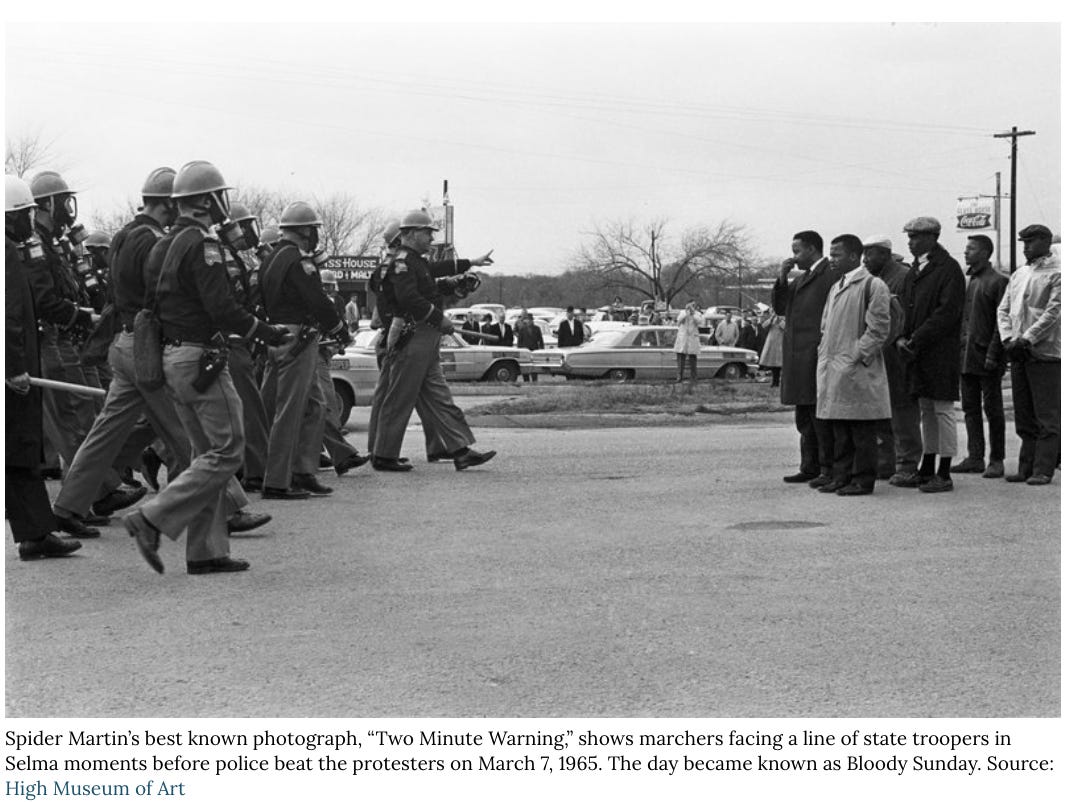
In the aftermath of what became known as “Bloody Sunday,” President Lyndon B. Johnson decided to move forward with voting rights legislation immediately. National outrage about the events in Selma was so strong, including within his own White House, that the country could not wait any longer. The president addressed Congress on March 15 and announced that he would send voting rights legislation to Capitol Hill. The Reverend Martin Luther King Jr., head of the Southern Christian Leadership Conference (SCLC), issued a national call for supporters to travel to Alabama for successive marches, building pressure on Congress to pass the bill.
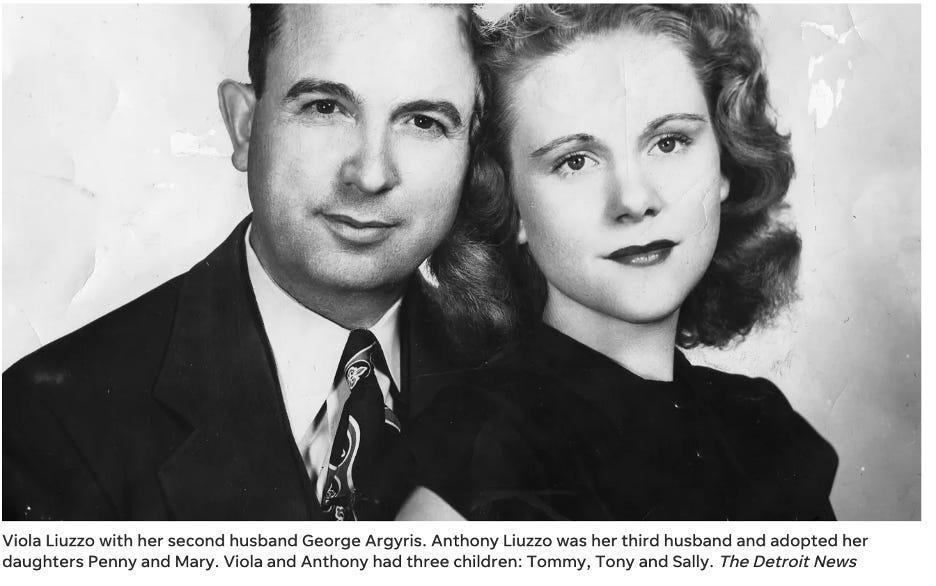
The 39-year-old Liuzzo was devastated as she watched the events of “Bloody Sunday” unfold on television from Detroit. Having spent much of her childhood in Georgia and Tennessee, she felt a deep personal connection to the South and decided to answer King’s call for more supporters to join him. In addition to her membership in the NAACP, she had previously marched in Detroit in 1964 in support of the Civil Rights Act. Although her husband, Jim—a Teamsters union organizer—feared for her safety, especially with five children at home, she refused to turn back. On March 16, she drove down to Alabama.
Liuzzo’s first few days in Selma involved welcoming and registering volunteers and manning the first aid station. Days later, she participated in the final leg of the march to the Capitol building in Montgomery. After the march concluded, Liuzzo helped transport protesters.
